Skip to primary content

Cocha Cashu Biological Station

Cocha Cashu Biological Station

Main menu

  • Home
    • Our Mission
    • Introducing Cocha Cashu
    • The Founding of Cocha Cashu
    • Cocha Cashu in a Nutshell
    • Our Staff
    • SERNANP
    • Manu National Park
    • San Diego Zoo Global / Institute for Conservation Research
  • What’s New
  • For ALL Visitors
    • General Information
      • Reservations
      • Getting to Cocha Cashu
      • Boat Fees and Station Contributions
      • Boat Schedule
      • What to Expect at Cocha Cashu
      • Facilities
      • What to Take to Cocha Cashu
      • Food and Meals
      • Contact With The Outside World
    • For Researchers
      • Why Carry Out Research at Cocha Cashu?
      • Permits
      • Research Assistants
      • Science Communication
    • Field Courses
      • Field Techniques and Tropical Ecology
      • Primate Course
    • Health and Safety
    • Policies and Guidelines
  • Resources
    • Blogs and Bulletins
    • Publications
    • Maps
    • GIS
    • Species Lists
    • Species Photo Guides
    • In the Media
  • Research
    • Cocha Cashu Research Priorities
    • Aquatic Research at Cocha Cashu
    • Giant Otter Conservation Program
    • Matsigenka Knowledge of Manu Fish
    • Ecology of the River Turtle (Podocnemis unifilis)
    • TEAM Network
    • Remembering Francis Bossuyt
  • EduCashu
    • The School Visits Program
  • Contact
  • DONATE

Species Lists

Plants / Plantas – Cocha Cashu

Mammals / Mamíferos Cocha Cashu y P.V. Pakitza 2008

Birds recorded within the Manu Biosphere Reserve, Departments of Cusco and Madre de Dios, Peru. This list was compiled by Barry Walker and Doug Stotz and is up-to-date as of March 2014: Bird List Manu Biosphere Reserve 190314 Barry Walker
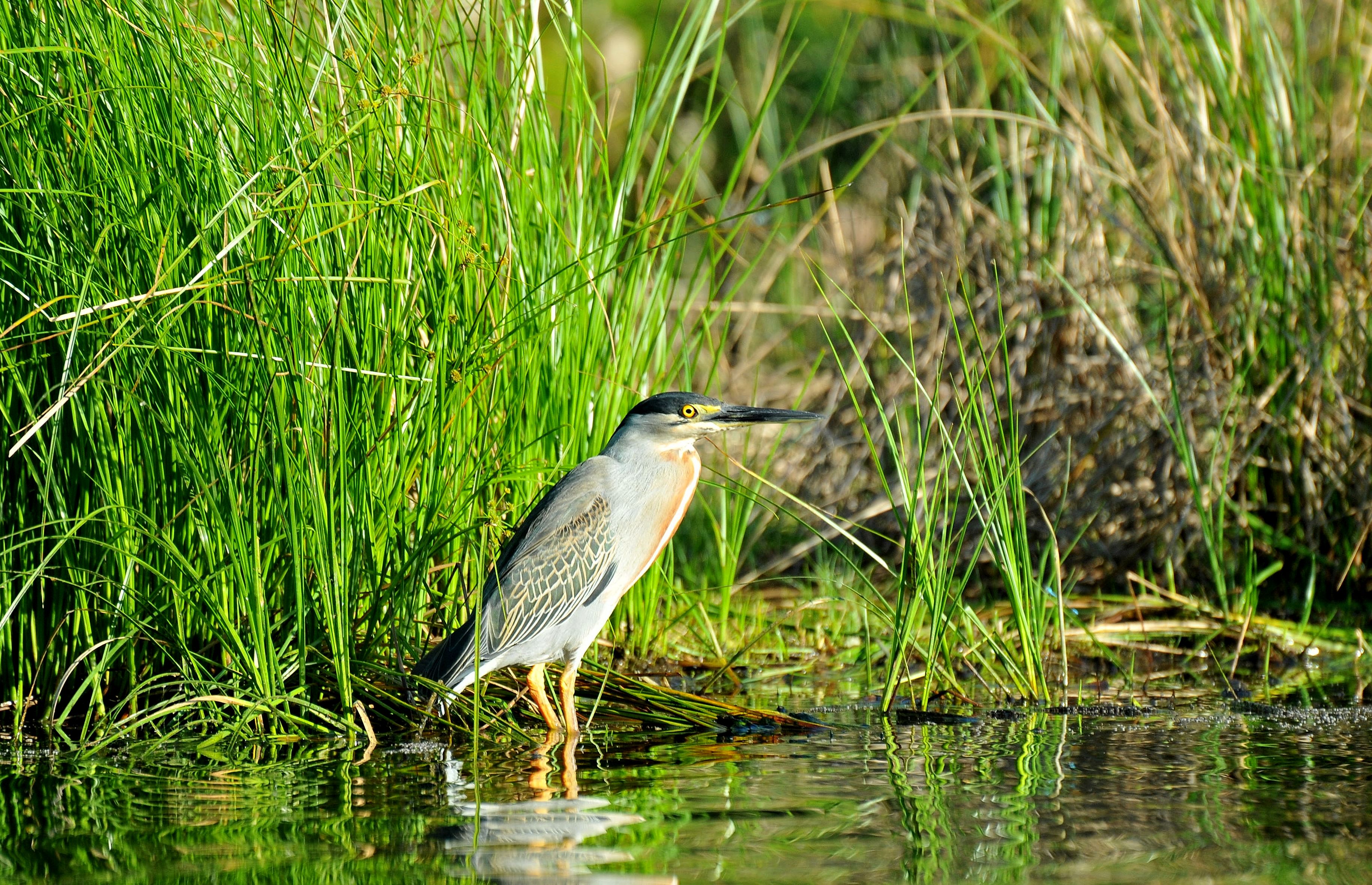
Photo: Jessica Groenendijk
010


  • enEnglish
    • esEspañol (Spanish)

Search

Testimonials

“Cocha Cashu is one of the most extraordinary wild places I’ve ever been, but the research station is also a place of adventure, camaraderie and community… I was on the cat project in 1984. Eye shine was everywhere at night on my cat-tracking shift. On the trail, a tiny shining necklace in the middle of the trail was a spider, unblinking red eyes coiling down a stem was a snake, unblinking eyes close to the ground belonged to an amphibian, probably a Bufo, and blinking eyes waist-high or lower revealed a mammal, maybe a deer or a cat. As I paddled out on the lake, silver eyes on the shore meant a jaguar, red eyes gliding just above the water were caiman.

One day we snared an angry, snarling jaguar. As we darted it, I remember feeling the fear and adrenaline as if I were prey. But holding the jaguar’s head on my lap as we measured and collared it, protecting its eyes because ketamine blocks the blink reflex, I felt more honored than any person alive…. We shared a family-style dinner every night. It was a special time of community, when stories were told of the day’s research.  The questions raised, the knowledge shared, were amazing conversations. There are many memories as clear today as if 26 years hadn’t intervened, stories I tell my young son and his friends, who -- wide-eyed -- can’t get enough of Cocha Cashu lore.”

Jeanne Panek
"Cocha Cashu gave me my first plunge into the Amazon, and it is here that I learned how nature should be, what it is like to expect to see multiple mammal species every day, and how real communities can in fact be explainable by theory, as long as one is working in an ecology that is largely in equilibrium, as Manu's is. This is what I hold onto as I start work now in China:  the intuition and learning about nature that only a place like Cashu can provide."

Douglas Yu
Read more››

New

  • CONVOCATORIA
    CONVOCATORIACoordinador(a) de Comunicaciones y Divulgación (Semi Senior)Read more...
  • CONVOCATORIA
    CONVOCATORIACoordinador(a) de Comunicaciones y Divulgación (Semi Senior)Read more...
  • JOIN US
    JOIN USStation ManagerCocha Cashu Biological Station, Manu National ParkRead more...
  • INVESTIGANDO EL EFECTO DE LA CONTAMINACIÓN POR MERCURIO EN AVES
    INVESTIGANDO EL EFECTO DE LA CONTAMINACIÓN POR MERCURIO EN AVESPor: Tali Magory Cohen A fines de junio de este año, cuando el clima era perfecto, regresamos una vez más a una de las estaciones biológicas más hermosas y de apoyo en la naturaleza: la Estación Biológica Cocha Cashu. Esta […]Read more...
  • El Comercio, Sernanp y el San Diego Zoo lanzan premio de periodismo ambiental Bárbara d’Achille
    El Comercio, Sernanp y el San Diego Zoo lanzan premio de periodismo ambiental Bárbara d’AchilleBASES DEL PREMIO BARBARA D’ACHILLE EN PERIODISMO DE NATURALEZA Y CONSERVACION PRESENTACIÓN El Premio Bárbara D’Achille en “Periodismo de Naturaleza y Conservación” busca identificar y promover a jóvenes profesionales en las ciencias de la comunicación que están interesados en conocer, […]Read more...
«12345»
ffbf

Proudly powered by WordPress